Health and Safety Policy for Gardeners Crook Log
 Our health and safety policy is designed to support safe, professional, and consistent working practices for gardeners in Crook Log and for every team member involved in outdoor work. The aim is simple: to protect people, property, plants, and the environment while ensuring high standards across every gardening task. This policy applies to all routine and specialist activities, including pruning, mowing, planting, hedge maintenance, soil work, waste handling, and the use of powered tools. We believe that a safe workplace is built on clear procedures, sensible planning, and a strong awareness of potential hazards.
Gardening can involve physical effort, changing weather, sharp tools, manual lifting, noise, dust, vibration, and contact with chemicals or biological materials. Because of this, our approach places equal importance on prevention and response. All staff are expected to work carefully, report concerns promptly, and follow safe systems of work. Managers are responsible for identifying risks before work begins, providing suitable instruction, and ensuring that equipment and materials are used only in ways that reduce harm.
 Every garden maintenance assignment begins with a risk assessment. This includes checking the site for trip hazards, uneven ground, unstable structures, broken glass, invasive plants, hidden debris, and any nearby activity that may affect the job. Weather conditions are also reviewed, as heat, frost, rain, or strong winds can increase the chance of accidents. Where needed, tasks are adjusted, delayed, or carried out with additional controls. Risk assessment is not treated as a formality; it is a practical tool for keeping work safe and efficient.
 Safe use of tools and machinery is central to this policy. All equipment must be inspected before use, cleaned after use, and stored securely when not in operation. Employees must use the correct machine for the task and wear appropriate personal protective equipment, such as gloves, eye protection, hearing protection, safety footwear, and high-visibility clothing where suitable. Damaged tools are removed from service immediately. Training is required before any worker uses powered equipment, and only competent, authorised personnel may operate machinery that presents increased risk.
Manual handling procedures are followed to reduce strain and musculoskeletal injuries. Heavy or awkward items, such as bags of compost, paving materials, or bulky waste, should be moved using the safest method available. Team lifting, mechanical aids, and proper planning are preferred over forceful lifting. Staff are encouraged to assess the load, choose a clear route, and avoid twisting while carrying. Good posture, regular breaks, and task rotation are used where practical to minimise fatigue during longer gardening projects.
Exposure to substances is managed carefully. This includes fertilisers, weed control products, cleaning agents, fuels, and dust from soil or compost. Products are stored, labelled, and handled in line with manufacturer instructions and internal controls. Where possible, safer alternatives are chosen first. Staff must wear the recommended protective equipment and wash hands after handling materials. Spills are contained quickly, and any suspected contamination is reported without delay. We also take care to reduce contact with allergens, irritants, and decaying organic matter.
Emergency readiness is part of our everyday practice. All workers should know the basic response for injuries, fire, severe weather, chemical exposure, or equipment failure. First aid supplies are maintained, and incidents are recorded so that patterns can be reviewed and improvements made. In situations involving cuts, strains, eye injuries, or heat stress, work stops until the area is safe and the person affected has been assisted. If a hazard cannot be controlled promptly, the work area is made secure and access is restricted.
Communication is essential to maintaining a strong garden safety policy. Supervisors must give clear instructions, confirm that the task has been understood, and ensure that everyone knows who is responsible for each part of the job. Temporary workers and new starters are given suitable induction before they begin. Any change in site conditions, equipment, or work method must be shared with the team immediately. This helps prevent misunderstandings and makes sure that everyone works from the same safety standards.
We also recognise the importance of environmental care within safe working practice. Waste is separated where possible, green material is disposed of responsibly, and protected habitats are respected. Noise, dust, and disturbance are kept as low as practical. When working near public access areas or occupied properties, additional care is taken to prevent injury to others. Barriers, warning signs, and controlled work zones may be used when necessary to maintain a safe perimeter.
 Monitoring and review help keep the policy effective. The health and safety measures described here are reviewed regularly to reflect lessons learned, changes in equipment, updated methods, and feedback from risk assessments. If an incident, near miss, or unsafe condition occurs, it is examined carefully so that improvements can be made. This ongoing review process ensures that safe practice remains a living part of the business rather than a static document.
All staff share responsibility for maintaining a safe working environment. Managers lead by example, provide support, and ensure that expectations are understood. Workers are expected to take reasonable care of themselves and others, use equipment properly, and speak up when something seems unsafe. A positive safety culture depends on cooperation, attention to detail, and a willingness to stop and reassess when conditions change.
Ultimately, our gardeners’ safety commitment is about delivering quality work without compromising wellbeing. By planning jobs properly, maintaining equipment, using protective measures, and keeping communication open, we reduce risk while preserving professional standards. Whether the task involves trimming, digging, clearing, or routine maintenance, every activity should be carried out with care, confidence, and respect for the people involved. 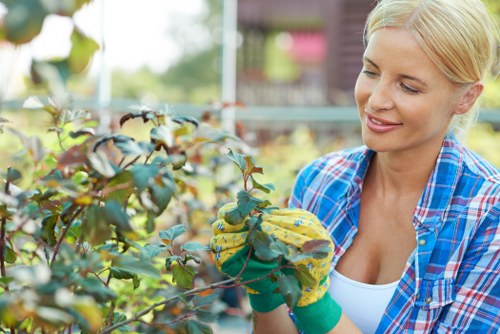 This policy supports a safer, more reliable service and reflects our commitment to responsible gardening practice.