Local gardeners for Crook Community Centre green spaces
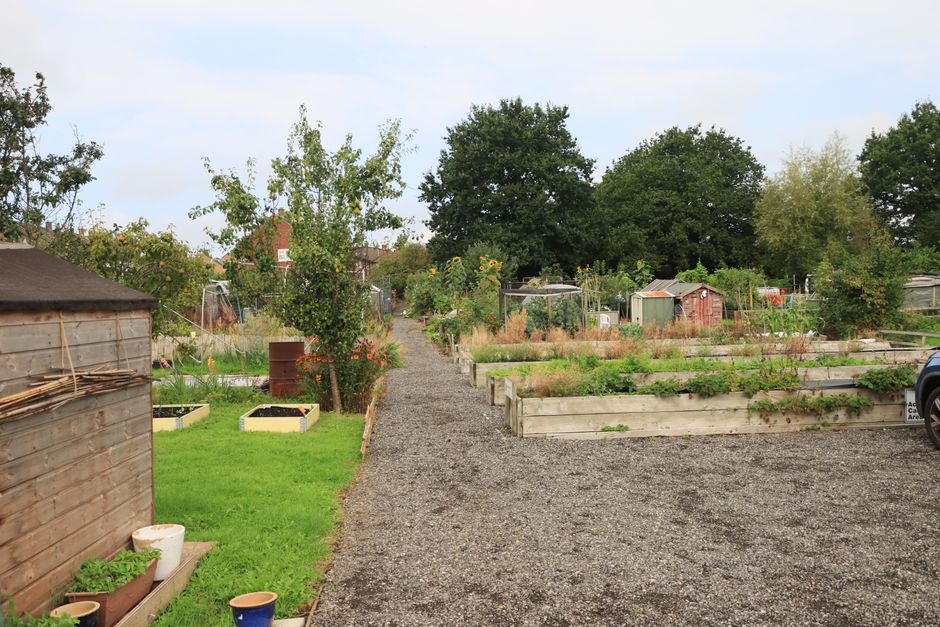
If you're responsible for a shared outdoor space, you already know the truth: community gardens look simple from the outside and endlessly needy once you're looking after them properly. A bench needs cleaning, weeds arrive like they own the place, and suddenly the grass is patchy in one corner while the shrub border has become a small wilderness. This guide on Local gardeners for Crook Community Centre green spaces explains how a local team can keep communal gardens tidy, welcoming, and workable without turning the place into a constant project.
We'll cover how local gardeners usually approach community-centre grounds, what to ask for, where the hidden risks tend to be, and how to choose a maintenance plan that fits real use rather than an idealised wish list. If you're weighing up regular maintenance, seasonal tidy-ups, or a bigger refresh, you'll find practical direction here - no fluff, no grand promises.
Why Local gardeners for Crook Community Centre green spaces Matters
Community centre grounds are not just decoration. They shape first impressions, support everyday use, and quietly influence whether people feel welcome or not. A tidy border outside the entrance says, quite simply, "someone cares here." A overgrown path or slippery patio says the opposite.
For a venue that may host classes, meetings, children's activities, coffee mornings, or local groups, the outdoor area has to do several jobs at once. It needs to be safe, low-fuss, visually calm, and resilient through the usual UK weather swings. That's where local gardeners come in: they understand the rhythm of public-facing spaces and can plan around footfall, seasonal growth, and the practical limits of communal budgets.
There's also a local knowledge factor. A gardener who works in and around Crook is more likely to understand wind exposure, shade patterns, and the kind of maintenance that actually sticks in a North East climate. That matters. A lot, to be fair. If planting choices, mowing frequency, or hedge trimming are mismatched to the site, you end up spending more just to keep things presentable.
In our experience, the best community-centre gardens are not the most elaborate. They are the ones that stay usable in wet weather, look decent with ordinary care, and don't rely on heroic effort every Friday afternoon. If you want a wider sense of what a maintenance programme can include, the garden maintenance service page is a useful place to start.
How Local gardeners for Crook Community Centre green spaces Works
Most community-garden arrangements follow a fairly practical workflow. It usually starts with an inspection, then moves into a maintenance plan, then settles into regular visits or scheduled seasonal work. Nothing mysterious. But the details matter more than people expect.
1. Initial site review
A gardener will usually look at the condition of lawns, hedges, borders, paths, seating areas, entrances, and any planting that needs rehabilitation. They'll also notice awkward things that non-gardeners often miss: standing water, compacted soil, moss build-up, broken edging, or a border that gets baked dry by afternoon sun.
2. Prioritising what affects public use
For a community centre, the priority order is often different from a private garden. Safety and access come first. A beautiful planting scheme is no good if it narrows a path or creates a trip hazard near the door. After that comes tidiness, then long-term improvement.
3. Agreeing maintenance frequency
Some sites need weekly attention in the growing season. Others can cope with fortnightly visits plus a few seasonal jobs. The right frequency depends on how visible the space is, how many people use it, and how much planting there is. Grass, hedges and weed pressure usually dictate the pace.
4. Carrying out routine and seasonal work
Typical tasks include mowing, edging, hedge trimming, weed removal, deadheading, soil improvement, leaf clearance, pruning, and occasional planting replacement. If the space has a patio or seating area, it may also benefit from a clean-down so the outdoor area doesn't feel tired by midweek.
For groups that want a bit more than routine upkeep, it can help to compare related services too. For instance, hedge work may sit alongside hedge trimming in Crook Log, while worn hard surfaces may call for patio cleaning and longer-term landscaping support.
Key Benefits and Practical Advantages
The value of local gardeners is not only that they "do the gardening." It's that they help a shared space function better for the people using it.
- Better first impressions: Neat edges, healthy planting, and a clean entrance make the centre feel cared for.
- Safer movement: Clear paths, trimmed growth, and reduced moss or leaf build-up lower everyday risk.
- Less pressure on volunteers: A community group doesn't have to rely on a few overworked people with one weekend to spare.
- More resilient planting: Good planting choices reduce replacements, watering stress, and avoidable losses.
- Lower long-term mess: Regular maintenance is usually cheaper and calmer than repeated rescue jobs.
- Better use of the space: A tidy outdoor area becomes somewhere people actually sit, talk, or wait without hurrying away.
There's a subtle but real difference between "tidy" and "well-managed." Tidy can be a quick win. Well-managed means the space is designed so it keeps looking decent between visits. That's the real goal.
For lower-maintenance planting ideas, many groups look at durable ground cover and simple, robust borders. The article on ground cover plants for low-maintenance garden beauty is especially handy if a community space needs coverage without constant fuss.
Who This Is For and When It Makes Sense
This kind of service suits anyone responsible for a shared outdoor area: community centre managers, trustees, volunteers, local committees, faith groups, neighbourhood associations, and social enterprises. If the garden is seen by lots of people but maintained by very few, it's probably already a candidate.
It also makes sense in a few common situations:
- The centre has an attractive frontage but the rear garden is neglected.
- Volunteers are willing but inconsistent, so standards drift.
- Access routes need regular pruning or sweeping to stay usable.
- The site is exposed to wind, shade, heavy use, or patchy soil.
- A seasonal event is coming up and the outdoor area needs to look presentable fast.
Sometimes the trigger is a single bad spell - a wet autumn, a windy spring, a summer holiday gap when nothing got done. Other times it's a slow realisation that the grounds are beginning to affect how people feel about the place. Let's face it, people notice when the approach to a building feels scruffy. They really do.
If the centre uses its grounds for children's sessions or family activities, it's worth thinking beyond appearance. Safety, visibility, and durable surfaces matter more. For that side of planning, safe and fun garden ideas for little explorers offers some practical inspiration, while dog-friendly and people-friendly garden planning may help where the site is shared informally with pets or walkers.
Step-by-Step Guidance
If you're organising work on a community centre garden, this is the most sensible order to follow. Not glamorous, but effective.
- Walk the site at the times it's actually used. A path that seems fine at 10 a.m. may feel awkward at 3 p.m. when people are arriving for activities.
- List the pain points in plain English. Don't overcomplicate it. "Weeds at the entrance," "hedge blocks light," "moss on path," "border looks bare."
- Separate urgent jobs from improvement jobs. Urgent is safety and access. Improvement is planting, structure, and aesthetics.
- Decide how much you want to outsource. Some groups only need mowing and weeding. Others need full weekly maintenance.
- Set a seasonal plan. Spring, summer, autumn and winter each bring a different headache. A decent plan accounts for all four.
- Agree who signs off on work. It sounds dull, but it prevents misunderstandings and duplicate effort.
- Review after the first few visits. If one area keeps failing, it usually means the maintenance plan or planting choice needs adjusting.
A small but important tip: photograph the space before work begins. Not for drama, just for clarity. People remember change differently once the garden starts to look better. A quick before-and-after record keeps expectations realistic. Handy, that.
If the site has awkward corners or cramped planting beds, simple container solutions can bridge the gap while a longer-term plan develops. The guide on container gardening ideas for urban spaces is a good reference point for that kind of flexibility.
Expert Tips for Better Results
A few practical choices make a community garden much easier to maintain. These are the things that separate a decent result from a frustrating one.
Choose plants for durability, not just looks
Pretty is great. But if a plant flops in wind, hates shade, or needs constant watering, it becomes a burden. For exposed sites, tough planting and weather-aware selection save a surprising amount of effort. You'll notice the difference by the second season, not the second day.
Use planting structure to control maintenance
Low-growing ground cover, evergreen shrubs, and a few well-placed climbers can reduce bare soil, suppress weeds, and keep the garden visually full. It's not about filling every gap. It's about reducing the spaces where trouble starts.
Prioritise clean edges
Even a simple lawn looks sharper with crisp edging. The same goes for borders and paths. A space can be modest and still look cared for if the edges are clean.
Design around the wind
Crook can get its share of windy weather, and exposed community sites feel it first. Wind lifts mulch, dries pots, and damages soft growth. A practical approach is to use sheltering hedges, tougher shrubs, and staking where needed. For more site-specific ideas, have a look at solutions for maintaining a lush garden in windy conditions.
Restore the soil before overplanting
If a bed looks tired, the issue may not be the planting at all. Compacted, low-fertility soil often causes repeated failure. Improve the soil first and the planting often becomes easier overnight - or near enough. The article on soil restoration with transformed organic waste is useful where a community plot needs a fresh start.
Keep a modest planting palette
Too many different species can make maintenance awkward. A smaller, repeat-used palette often looks more coherent and is easier to maintain. That's one of those things people resist at first, then quietly thank you for later.
Common Mistakes to Avoid
Most bad outcomes in shared green spaces are not caused by one huge mistake. They come from a series of small ones. The good news? They're avoidable.
- Choosing high-maintenance plants for a low-input site. Beautiful, yes. Sensible, not always.
- Ignoring drainage and compaction. If water sits after rain, the garden will keep punishing you.
- Letting weeds establish at the edges. Once edges go, the whole space starts to look neglected.
- Underestimating hedge work. Hedges grow faster than memory of them does.
- Planning only for summer. Winter leaf fall and spring growth surges deserve attention too.
- Expecting volunteers to do emergency-level work every month. That's a fast route to burnout.
- Overfilling the garden with features. Benches, pots, borders, signage, ornaments - all lovely, until they become clutter.
One especially common issue is trying to "rescue" a poor site with more plants rather than better structure. If the bones are wrong, extra flowers won't fix it. A clearer layout, sensible shrub spacing, and regular maintenance usually do more than an enthusiastic planting spree.
For a good example of how neglected spaces can be brought back under control, see transforming a neglected garden. It's a useful reminder that the first step is often cleaning up what's already there.
Tools, Resources and Recommendations
A good maintenance visit depends on having the right kit, but not an absurd amount of it. Community spaces usually benefit from practical, durable tools rather than fancy ones.
- Cutting and shaping tools: secateurs, shears, hedge trimmers, pruning saws.
- Turf and border tools: lawn mower, edging tools, forks, spades, rakes.
- Cleaning kit: stiff brooms, leaf collectors, pressure-safe surface cleaning methods where appropriate.
- Weed control basics: hand weeders, mulching materials, and regular inspection.
- Site protection items: gloves, eye protection, cones or temporary barriers if work is near public access.
If you want a sense of what experienced planters often rely on, the guide on gardening tools for enthusiastic planters is a solid reference. It's written for gardeners generally, but the practical thinking carries over well to shared sites.
For budget-conscious groups, simpler is usually wiser. The idea of maintaining a sharp-looking garden without overspending is explored in easy-care garden concepts without the high cost. That matters when a community centre has to justify every spend, and frankly most of them do.
One more recommendation: keep a short site log. Even a basic note of what was done, what was found, and what needs attention next time prevents the classic "we thought someone else was doing that" problem. It happens more than people admit.
Law, Compliance, Standards, or Best Practice
With community spaces, compliance is less about dramatic rules and more about sensible duty of care. The exact obligations depend on who owns or manages the land, how the space is used, and whether contractors or volunteers are involved. Because of that, it's best to treat this as a practical best-practice area rather than assume one universal rule applies.
A few principles are worth keeping in mind:
- Safety should be checked before aesthetics. A pretty hazard is still a hazard.
- Work should be risk-assessed where needed. This is especially true for power tools, ladders, slippery surfaces, or work near members of the public.
- Access routes should remain clear. That matters for everyday users and for emergency access too.
- Contractor arrangements should be clear in writing. Scope, timing, and responsibility are best agreed upfront.
- Data and contact details should be handled properly. If staff, volunteers, or service users are involved, the centre should be careful with records and communication.
For operational reassurance, it can help to review the provider's own policies. Pages such as health and safety policy, insurance and safety, terms and conditions, payment and security, and privacy policy are relevant when you're comparing services or arranging ongoing work.
If your group has formal procedures for complaints or access, it may also be useful to review how the provider handles concerns and accessibility. That's less about box-ticking and more about making sure the relationship stays smooth once work starts.
Options, Methods, or Comparison Table
There are several ways to manage community-centre green spaces. The right choice depends on budget, size, and how polished the site needs to feel.
| Approach | Best for | Strengths | Trade-offs |
|---|---|---|---|
| Basic reactive visits | Very small budgets | Cheap in the short term, simple to arrange | Problems build up, appearance can swing wildly |
| Regular maintenance visits | Busy community centres | Consistent look, safer access, fewer surprises | Needs ongoing budget commitment |
| Seasonal tidy and reset | Sites with volunteer support | Good for spring/autumn refreshes, useful for big jobs | Doesn't always keep pace with fast growth |
| Maintenance plus light landscaping | Spaces that need improvement | Improves layout and long-term manageability | Takes more planning at the start |
For many centres, the best setup is not one extreme or the other. It's a hybrid. Regular maintenance for the visible, high-use parts. Seasonal work for the bigger resets. And a little landscaping where the layout keeps causing trouble.
If you're thinking about thicker boundary planting or privacy screens, the article on speedy-growing hedges for privacy is helpful. Where shade is the bigger issue, shade-loving evergreen climbers can be a smart fit.
Case Study or Real-World Example
Imagine a community centre with a front entrance border, a modest lawn, two overgrown hedges, and a side path that gets muddy every winter. Nothing dramatic. Just the sort of site that looks fine from a distance and messy the moment you're standing on it.
The first pass focuses on basics: cut back hedges enough to restore light and access, clear weeds from the path edge, mow and edge the lawn, and remove dead planting. Then comes the bigger thinking. The tired border is replanted with a mixture of low-maintenance perennials and ground cover so the bare soil stops inviting weeds. A few container plants are added near the entrance to soften the frontage without increasing workload too much. Simple. Effective.
After that, the maintenance schedule shifts to smaller, more regular visits. The path stays clearer because the edge work is done before growth becomes a problem. The lawn looks intentional instead of accidental. People start using the outside benches again, which is often the best sign of all. You can almost hear the difference - less crunching through dead leaves, more conversation by the doorway on a mild afternoon.
In a slightly more ambitious version, the centre might add a sheltered seating area or rework the border design for year-round structure. For inspiration on seating and comfort, garden seating ideas for comfort and style can help shape the conversation.
Practical Checklist
Use this checklist before hiring local gardeners or signing off a maintenance plan for Crook community-centre grounds.
- Walk the site and note the worst problem areas.
- Identify access routes, entrances, and high-use spaces.
- Decide whether you need weekly, fortnightly, or seasonal support.
- Check whether mowing, hedge trimming, weeding, and patio cleaning are all needed.
- Ask what happens during wet weather or growth spikes.
- Confirm who handles communication and approvals.
- Make sure safety and insurance are discussed clearly.
- Set a simple list of priority tasks for the first visit.
- Consider whether landscaping or planting changes would reduce future upkeep.
- Review the plan after the first month or first season.
Quick expert summary: if a shared garden is hard to keep tidy, the answer is usually not more effort from volunteers. It's better structure, clearer priorities, and a maintenance rhythm that matches the way people actually use the site. That's the whole game, really.
To talk through a tailored approach for your community-centre grounds, you can also use the main site information on about us and make an enquiry through the contact page. For many committees, that first conversation is the point where the whole thing starts to feel manageable again.
Conclusion
Local gardeners for Crook Community Centre green spaces are about much more than keeping grass short and weeds under control. They help a shared place feel respected, safe, and pleasant to use. They reduce pressure on volunteers, support better planning, and make the outdoor area easier to live with through every season.
The best results come from practical choices: durable planting, clear access, sensible maintenance frequency, and an honest look at what the site can realistically support. Not perfection. Just a space that feels looked after, week after week. That's what people remember.
Get a free quote today and see how much you can save.
Frequently Asked Questions
What do local gardeners do for community centre green spaces?
They typically handle routine upkeep such as mowing, weeding, hedge trimming, pruning, planting, border care, and tidy-ups around paths and seating areas. For bigger sites, they may also help with seasonal resets and light landscaping.
How often should a community centre garden be maintained?
It depends on how visible and heavily used the site is. Busy spaces often need weekly attention in the growing season, while smaller or lower-traffic areas may manage with fortnightly visits plus seasonal work.
Is regular maintenance better than one-off garden clearance?
Usually, yes. One-off clearance helps if the garden has become untidy, but regular maintenance is what keeps it from slipping back again. Think of clearance as a reset, not a long-term fix.
Can gardeners help if the site is overgrown and neglected?
Yes. A good starting point is usually clearing the worst areas, restoring access, and then putting a maintenance plan in place. Neglected gardens often need a staged approach rather than a single dramatic overhaul.
What should a community centre ask before hiring gardeners?
Ask about the scope of work, visit frequency, insurance, health and safety, communication, and how they handle seasonal changes. It also helps to ask what they would prioritise first if the budget is tight.
How can a green space be kept low maintenance?
Choose robust planting, reduce bare soil, keep edges simple, and avoid overly needy features. Ground cover, hardy shrubs, and well-planned borders usually create less work over time.
Do gardeners also look after patios and seating areas?
Often, yes. Many maintenance plans include patio cleaning, leaf removal, and tidying around benches or outdoor gathering spots so the space stays welcoming and safe.
What if the community centre has volunteers too?
That can work very well. Volunteers can handle lighter tasks between professional visits, while local gardeners take care of the more technical or time-consuming jobs. It's usually a stronger setup than relying on volunteers alone.
How do weather conditions affect community garden maintenance?
Wind, heavy rain, frost, and summer dry spells all change what needs doing. Exposed sites may need extra pruning and staking, while wet areas may need better drainage or more frequent clearing of slippery debris.
Can gardeners improve privacy around a community centre?
Yes. Hedges, climbers, and structured planting can help soften views and create a calmer feel without making the site feel closed off. The key is choosing the right planting for the space and maintenance level.
What is the biggest mistake people make with shared gardens?
The biggest one is designing for how the garden should look in June, rather than how it will survive in February, after a wet spell, or during a busy event season. A shared garden has to be practical first.
How do I get started if I'm not sure what the site needs?
Begin with a simple site walk-through and list the problems in order of urgency. Then speak with a local gardener about what can be maintained routinely, what needs improving, and what can wait. That first conversation is often enough to make the next step feel far less daunting.